
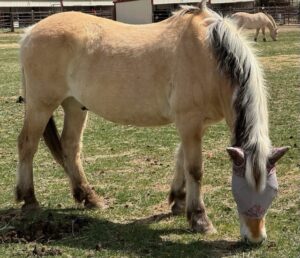
 Why and How We Retire Horses at CTRC
By Isabella Taylor, CTRC Horse Trainer
At the Colorado Therapeutic Riding Center (CTRC), our horses are the heart of everything we do. They are patient teachers, trusted partners, and powerful healers for the riders we serve. Because of the incredible work they do, it is essential that we take thoughtful care in determining when it’s time for them to step away from their roles and enjoy a well-earned retirement.
When Do Horses Retire?
Horses may be considered for retirement for several reasons. The most common include aging out of the program, experiencing a career-ending injury, or simply reaching a point where they are mentally ready to move on from therapy work.
Our goal is always to support both the physical and mental well-being of our horses so they can enjoy long, comfortable lives even after their working years. Therapy horses give so much of themselves, and it’s our responsibility to ensure they are happy and healthy both during and after their time in the program.
We closely monitor each horse for signs that it may be time to transition them into retirement. These signs might include:
- Physical discomfort when being ridden
- Difficulty keeping up with the demands of the program
- Stress or negative associations with therapy work
- Behavioral changes that suggest the horse is mentally “checking out”
In some cases, veterinary care or adjustments to their workload can help resolve these issues. But when a condition is career-ending or a horse is no longer thriving in the therapy environment, retirement becomes the best option for their well-being.
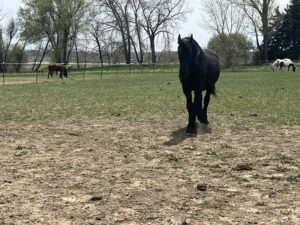
The Retirement Process
When a horse is ready to retire, the process begins with communication. I first notify our instructors and staff so that everyone involved with the horse understands the plan moving forward.
Whenever possible, we gradually wean the horse out of lessons. This transition allows both the horse and our riders time to adjust. Many of our participants develop deep bonds with their equine partners, and suddenly removing a horse from classes can be difficult for them emotionally. A gradual transition helps riders build relationships with new horses while still having time to say goodbye to their longtime partner.
In some situations, however—particularly when a horse has a significant injury or needs immediate rest—we must remove them from classes right away to protect their health.
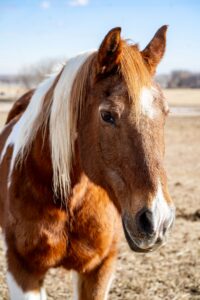 Honoring and Supporting Our Retirees
At CTRC, retirement isn’t the end of a story—it’s a celebration of an incredible career. Once a horse officially steps away from all riding classes, we honor them with a retirement party, giving our riders, volunteers, and staff the chance to thank the horse for everything they’ve given to our community.
We are also proud to offer our horses a retired horse sanctuary, where every horse that has served in our program is guaranteed a safe and loving home for life if needed. Many of our retirees still have potential for future careers—whether in lower-intensity riding programs or as companion horses—so we also offer opportunities for adoption or foster care for horses whose next chapter could involve a new family or job.
Our horses dedicate years of service to helping people grow stronger, more confident, and more independent. Making sure they have a peaceful and happy retirement is one of the most important ways we can give back to them.
After all, every CTRC horse deserves to enjoy their golden years just as much as they helped our riders enjoy their time in the saddle.

Leave A Comment
You must be logged in to post a comment.