
By Isabella Taylor, Horse Trainer
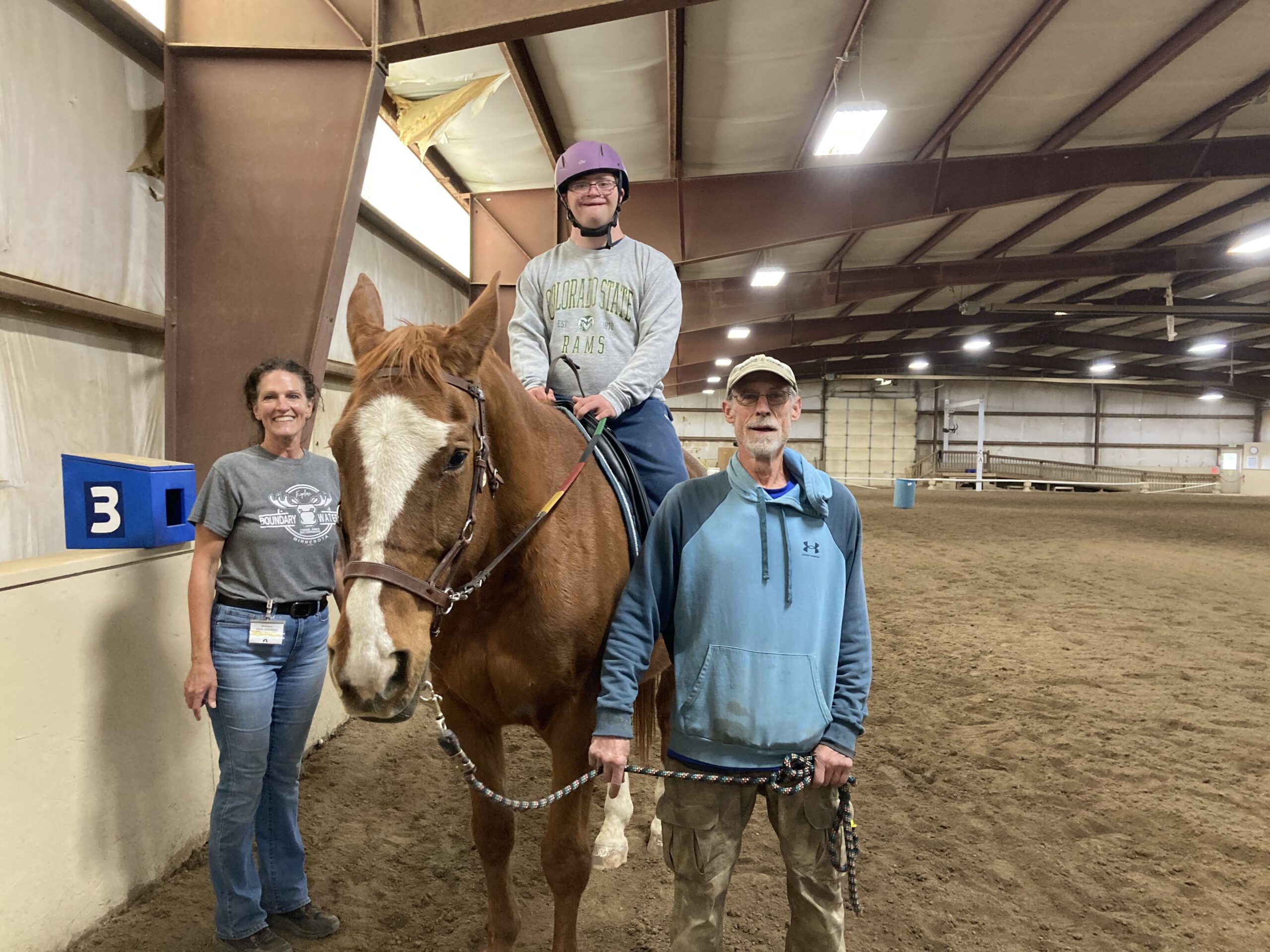
At CTRC, our horses are the heart of the program. Each one plays a vital role in helping riders build confidence, strength, independence, and joy.
The demands placed on a therapy horse can be very different from those placed on horses in traditional riding environments. Therapy horses must remain calm and responsive in situations that many horses never encounter—such as working closely with multiple people walking beside them, accommodating riders with unique movement patterns, and remaining steady around mobility aids, noises, and unexpected situations.
Because of this, not every horse has what it takes to be a therapy horse. Safety for our riders, volunteers, and horses is always our top priority. Horses working in a therapeutic riding program must be exceptionally patient, tolerant, and “solid-brained.” That’s why our selection process is so detailed and thorough.
Finding Potential Therapy Horses
Many of our horses come to us through the horse community. Owners may reach out if they have a horse available for lease or donation that they think could be a good fit for a therapy program.
When someone contacts me about a horse, I start by asking them to complete a basic evaluation form. This gives me an overview of the horse’s background, including:
-
Riding experience
-
Veterinary history
-
Temperament and behavior
-
Any special considerations that may affect their suitability for therapeutic riding
From there, I determine whether the horse might be a good candidate for further evaluation.
The Initial Evaluation
If the horse appears to be a good prospect, I travel to meet them where they currently live and conduct a full evaluation both on the ground and under saddle.
During this visit, I assess how the horse responds to:
-
New objects and environments
-
Sudden movement and unexpected noises
-
Handling and groundwork
I look at how well they respond to basic cues such as yielding their hindquarters, stopping, backing, walking forward, and transitioning smoothly while being led.
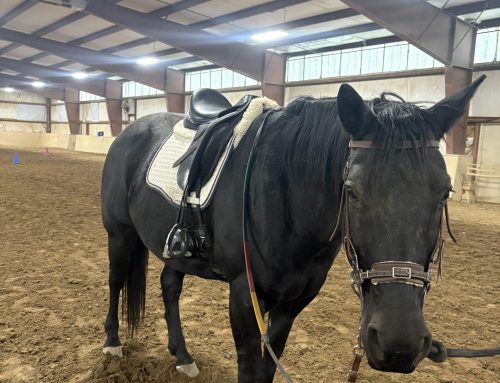
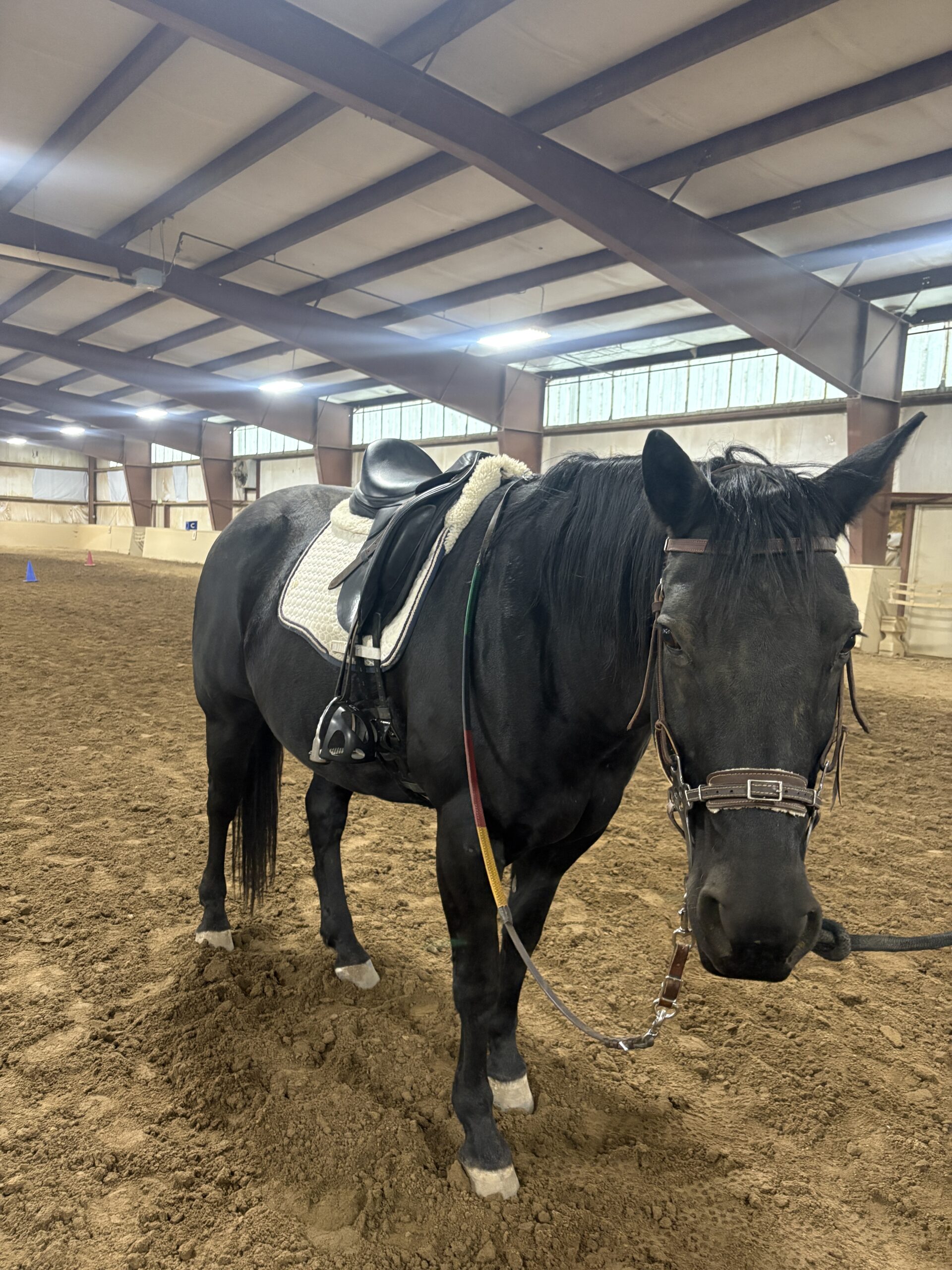
After the groundwork portion, I groom and tack up the horse and perform a riding evaluation. Depending on the horse’s soundness and history, I will walk, trot, and canter the horse in both directions to get a sense of their training, responsiveness, and overall rideability.
At the end of this evaluation, I determine whether the horse shows potential to succeed in our program. If they do, we invite them to CTRC for a trial period.
The Trial Period
Every potential therapy horse goes through a 60–90 day trial period at CTRC.
During this time, the horse becomes familiar with our facility and routine, including feeding schedules, turnout, and daily activity. I ride the horse in all of our arenas and on the sensory trail so they can adjust to their new environment.
Once the horse is comfortable, we begin introducing them to the unique aspects of therapeutic riding.
Preparing Horses for the Therapy Environment
Therapy horses must be comfortable with many situations that traditional riding horses may never encounter.
Training during the trial period includes:
-
Practicing our mounting procedures with a horse leader
-
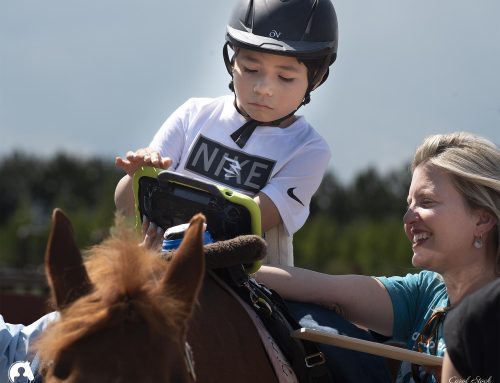
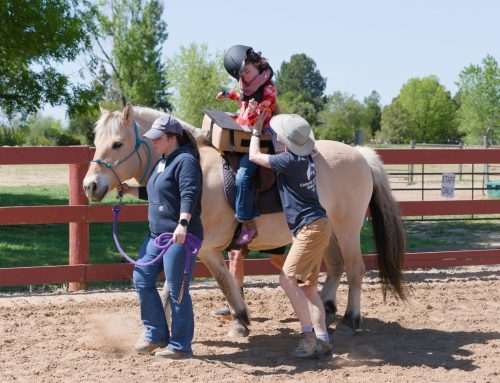
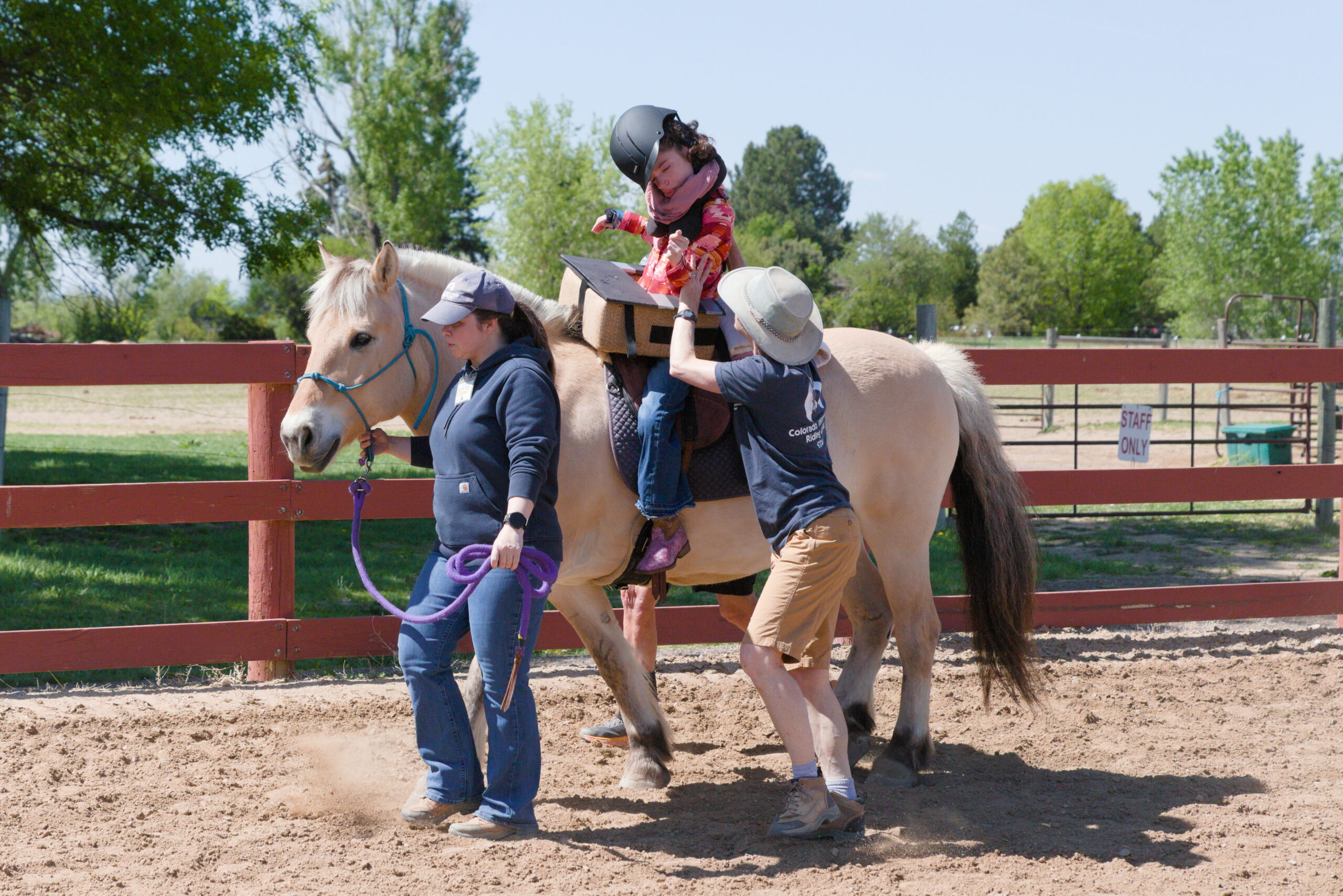
Introducing side walkers who support riders during lessons
-
Gradually acclimating the horse to people walking beside them
-
Practicing with objects being tossed or moved nearby
-
Exposure to sudden or loud noises
-
Working both individually and in group settings
I begin with one side walker at a time so the horse doesn’t feel crowded, then slowly progress to two side walkers walking alongside the rider.
Some horses adapt quickly and understand their new role after just one session. Others need more repetition and time to build confidence. Both approaches are completely normal.
We also rotate different conditioning riders on the horse so they become accustomed to various riding styles and movements.
The Final Step: Mock Classes
Once a horse understands their new expectations, we test their readiness by placing them in a mock class with other horses. This allows us to evaluate how they perform in a realistic lesson environment before introducing a participant rider.
If the mock class goes smoothly, the horse is gradually integrated into real program lessons.
What Makes a Successful Therapy Horse
Go to Top
Before a horse officially joins the program, they must demonstrate comfort and reliability in many situations. This includes:
-
Good ground manners
-
Accepting side walkers on both sides
-
Smooth transitions with a rider
-
Tolerance for rider movement and noise
-
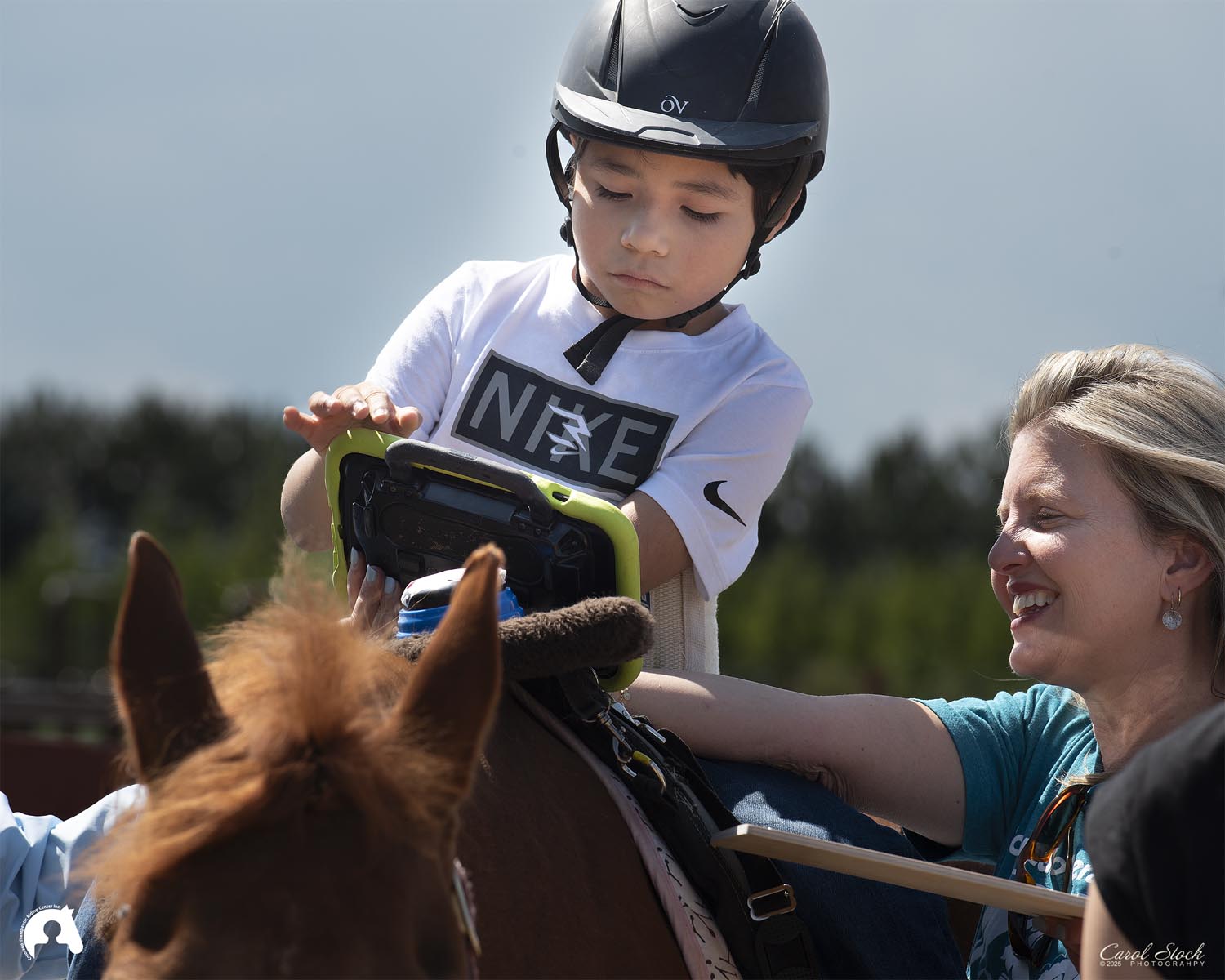
Comfort around mobility aids such as wheelchairs, crutches, canes, and walkers
-
Working with props and games used in lessons
-
Riding with other horses and independently
-
Accepting a range of riders, including heavier adults
-
Navigating the sensory trail and arenas confidently
Therapy horses must also remain calm around applause, cheering, arena fans, heaters, and other sounds that may occur during lessons or events.
A Special Kind of Partner
Not every horse is suited for therapy work, and that’s okay. The horses who succeed in this role possess a unique combination of patience, adaptability, and kindness.

These exceptional horses become trusted partners for our riders and play a crucial role in the life-changing work that happens every day at CTRC.
Share This Story, Choose Your Platform!
About the Author: Natalee
Leave A Comment
You must be logged in to post a comment.